

Players often ask why do pokies make sounds when you win, and the answer sits deeper than a simple celebratory chime. The audio cues are engineered to confirm a payout, reinforce a session rhythm, and keep the interface readable in a busy venue. As someone who has spent over a decade building lifecycle campaigns across iGaming, SaaS, eCommerce, FMCG, and FinTech, I treat these design choices the way I would a retention loop in a subscription product: every signal has a job, and that job is usually to reduce friction while nudging the next action. In an Australian context, where pokies operate under state-based machine licensing and a separate online gambling framework, the sound design matters just as much as the wagering terms attached to any promotion. The noise is not there to promise outcomes; it is there to mark a verified event and keep the player oriented.
What the Sound Actually Signals
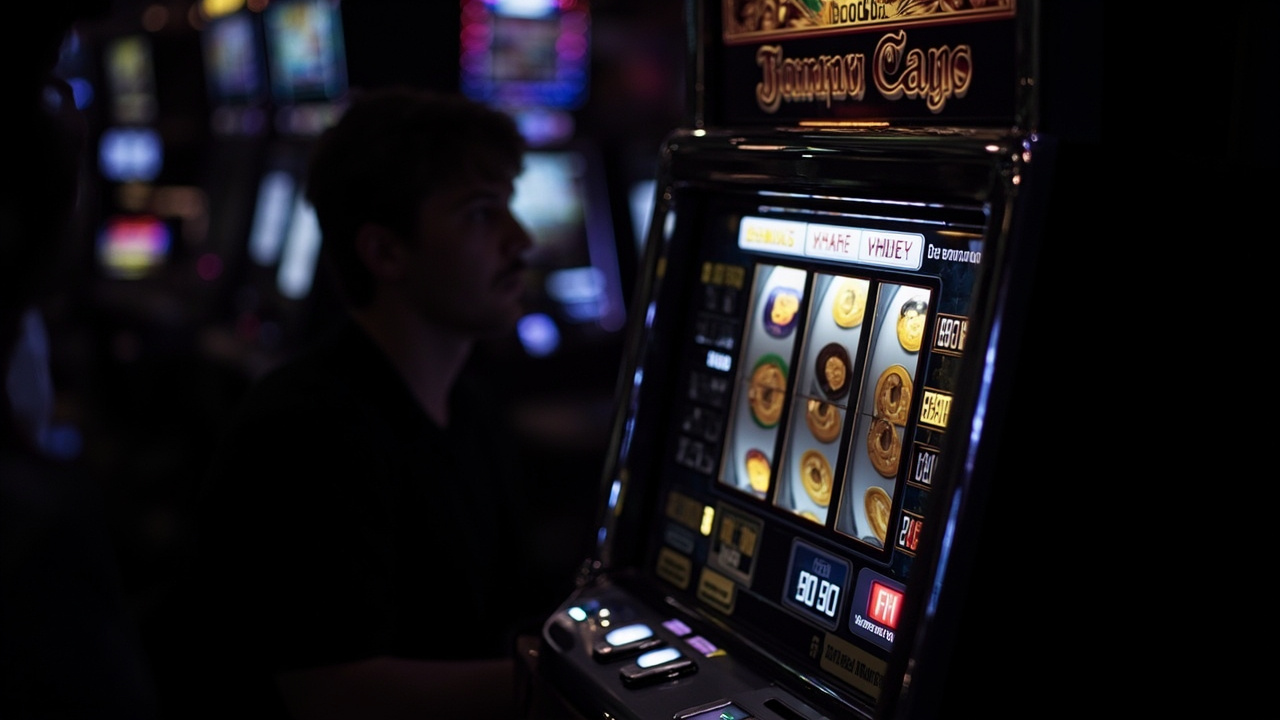
The short answer to why do pokies make sounds when you win is that the audio is tied to a payout confirmation, not to a judgement about future results. A well-built machine uses a layered cue: a base tone for a small return, a longer sequence for a larger payout, and sometimes a visual counter that matches the audio. The goal is clarity, not celebration for its own sake. In practice, I have seen product teams treat these cues the way an eCommerce checkout uses a confirmation ping: the sound tells you the transaction registered, nothing more. That distinction matters because players can misread a loud sequence as a sign that the next spin is more likely to pay, which it is not. If you want a broader look at how audio design has shaped the way players remember older machine sessions, this piece on how sound shapes the legacy of dead slot experience is worth reading. The point is simple: sound marks an event, and an event is not a pattern.
For anyone comparing a venue machine to an online title, the same principle applies. A licensed operator will usually attach the audio to a logged result, and that result is what any bonus terms will actually measure. I have reviewed enough promotional mechanics to know that the loudest moment on a screen is rarely the most important one for your balance. The useful habit is to watch the payout counter and the terms, not the soundtrack.
Why the Design Persists in Australian Venues
Australian venues and licensed online operators both lean on audio because it solves a real usability problem. A busy floor, a dim corner, or a quick glance at a phone screen all make visual confirmation harder than a clear tone. From a lifecycle marketing perspective, I would build the same kind of cue into a recurring promo reminder: a short, consistent signal that something relevant has changed, without overpromising. The same logic applies here. The sound persists because it is cheap to implement, easy to recognise, and fits the pacing of a session where players are making many small decisions in a row. That does not make it manipulative by default; it makes it functional. What does make it tricky is when a player treats the cue as a personalised signal. It is not. It is a generic confirmation tied to a result that has already happened.
Canberra players often encounter both physical venues and licensed online options, and the audio design is similar across them because the underlying goal is the same: confirm a payout and keep the interface legible. I have run campaigns where the right notification tone lifted engagement more reliably than a louder message, and the principle translates directly. A sound that is too aggressive can feel noisy; a sound that is too soft gets missed. The middle ground is what operators usually aim for, and that is also the middle ground I would recommend players pay attention to when they are reading bonus rules rather than reacting to a chime.
How Operators Use Audio Alongside Promotions
Audio and promotions are often described as one package, but they serve different jobs. A win sound confirms a result; a promotion sets the terms around how a balance can be used, what counts toward wagering, and what limits apply. I have seen too many offers described in broad language that hides the real constraints, so I prefer to separate the two. A welcome offer might add a match on your first deposit, but the useful details are the wagering multiplier, the game contribution percentages, the maximum bet limits during the promotion, and whether the bonus recurs on subsequent deposits. None of that is encoded in the sound effect. If you are comparing options, the sound is the least important part of the offer structure. How Sound Shapes the Legacy of
For an Australian adult looking at a licensed product, the practical check is whether the terms are readable before you start. Contribution rates matter because a bonus that only counts on certain pokies changes the pace of play. Wagering requirements matter because they define how many times the bonus and any associated winnings must be turned over before a withdrawal can be requested. Limits matter because they cap bet size during an active promotion. I have worked in FinTech and SaaS long enough to know that a feature only feels useful when the rules around it are clear, and the same applies here. Treat the sound as a confirmation cue and treat the terms as the actual product.
What Players Can Actually Read From the Noise
If you are wondering why do pokies make sounds when you win, the most useful answer is that the noise is a marker, not a message. It tells you a payout registered, and it tells you nothing about the next result. I have spent years building retention and lifecycle programs where the hardest part was not getting attention, but keeping expectations honest. The same discipline applies to a session on a pokie. A loud sequence can feel exciting in the moment, but the verifiable facts are the payout amount, the balance change, and the terms attached to any active promotion. The interpretation part is where players can go wrong, especially if they start linking a sound to a streak or a near miss.
One practical habit is to notice the difference between a confirmation tone and a feature trigger. Some titles use distinct cues for free spins, bonus rounds, or scatter hits, and those cues are still tied to defined rules rather than luck in the abstract. Another useful habit is to check the operator’s published terms before you rely on any promotional balance. I have reviewed enough offers to know that the readable details are usually there, even when the marketing language is loose. If you want a local perspective on how players experience these cues in a Canberra-adjacent setting, Leo Williams, Customer Experience Lead, Capital Territory Gaming Forum, puts it plainly: “The sound is a confirmation, not a signal to chase; the terms page is where the real shape of the offer lives.” That is the kind of read I would back over any dramatic claim about what a chime means.
Leo Hill, Head of Product, Murray River Gaming Research, takes a similar line from a design angle: “Audio cues work because they are legible, not because they are persuasive; the moment a player reads them as a promise, the design has been misunderstood.” That distinction is the one I would keep front of mind, especially when an offer is active and the pace of play is fast.
Glossary
- Payout confirmation: the logged result that a win has registered on the machine or screen.
- Wagering requirement: the number of times a bonus and related winnings must be turned over before withdrawal.
- Contribution rate: the percentage a game counts toward clearing a promotion.
- Bonus terms: the published rules covering eligibility, limits, and eligible games. https://rickyponting.net
- Session rhythm: the pace of spins and decisions within a single visit or sitting.
Conclusion
The sound on a pokie exists to confirm a result and keep the interface readable, not to tell you what comes next. That is the practical answer to why do pokies make sounds when you win, and it is also the answer that keeps expectations honest. For an Australian adult playing under the relevant state or licensed online framework, the useful details are the payout, the balance, and the published terms on any promotion. Treat the audio as a marker, read the offer structure before you start, and keep the two separate. That is the approach I would recommend from both a product and a marketing standpoint, because it is the one that respects the design without overreading it.